Physical Address
304 North Cardinal St.
Dorchester Center, MA 02124
Physical Address
304 North Cardinal St.
Dorchester Center, MA 02124

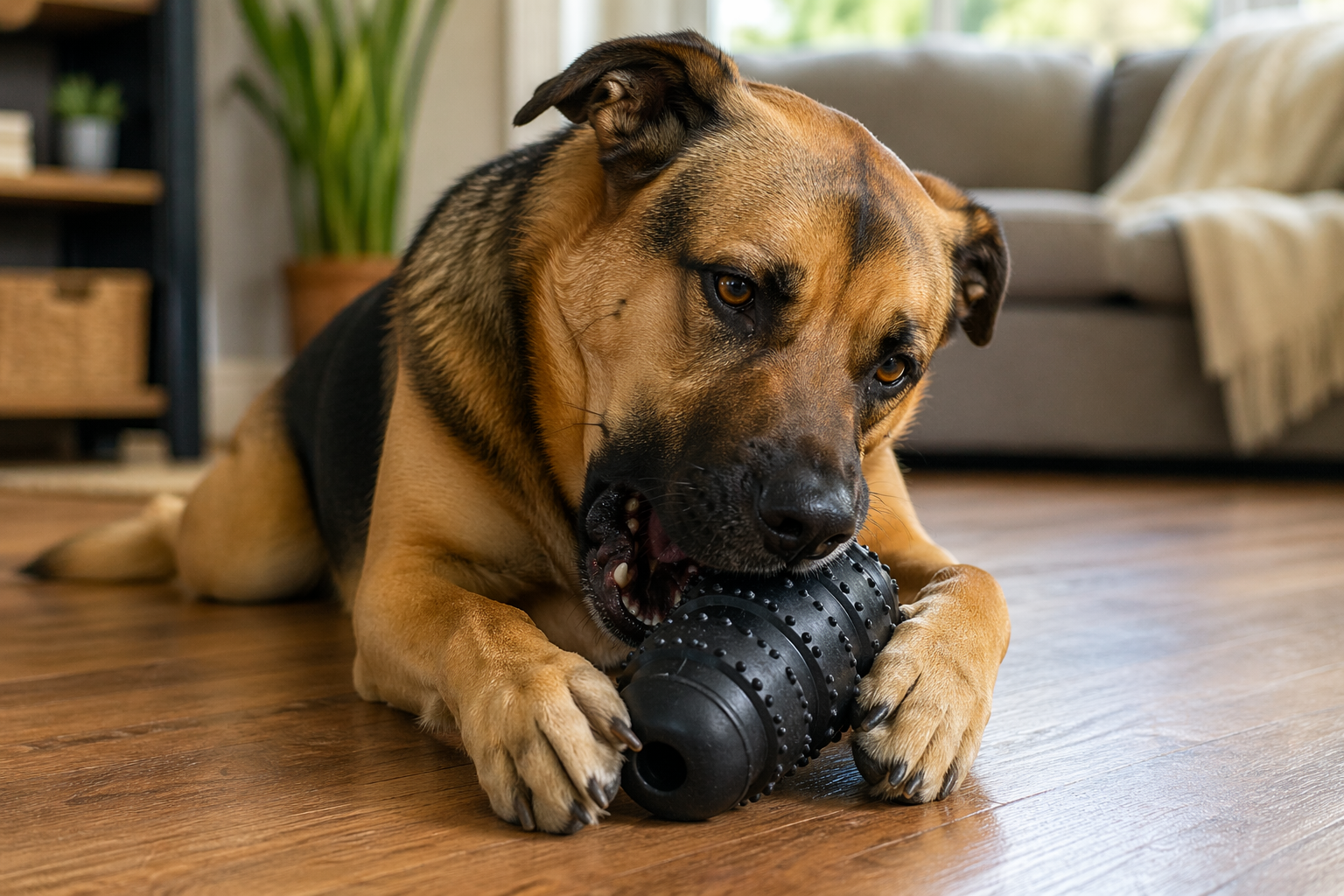
Discover what a truly indestructible dog toy really means, which materials last longest, and how to choose safer options for aggressive chewers. Compare rubber, nylon, puzzle toys, and heavy-duty picks that balance durability with dental safety.
No dog toy is truly indestructible, yet pet owners continue to search for that mythical product that will survive a determined chewer. The term indestructible is marketing language rather than a guarantee, and toys that promise invincibility often disappoint both dogs and their humans. Rather than chasing an impossibility, the smarter approach is to understand the materials and designs that make toys durable, the safety trade‑offs involved, and how to match a toy to a dog’s individual chewing style. By the end of this guide you’ll know why no toy lasts forever, how to choose safe chew options, and which well‑engineered products offer the best chance of withstanding even the most persistent jaws.
Marketing copy on pet products can be aspirational. Labels that declare a toy indestructible or chew‑proof create an expectation of permanence, yet every material has a breaking point. Aggressive chewers – dogs with the jaw strength and persistence to destroy standard toys within minutes – easily defeat thin rubber, plush fabric or squeaky designs. Even the toughest nylon or natural rubber will eventually wear down under constant gnawing. The real issue is safety: cheap toys shatter, leaving shards or stuffing that pose choking hazards and can cause gastrointestinal blockages.
Indestructible also implies that any dog, regardless of size or bite force, can use a toy without supervision. That is not true. Manufacturers reinforce walls and remove stuffing to slow destruction, but pushing durability too far can make a toy so rigid that it damages teeth. Responsible companies acknowledge these limitations and offer guidance on replacement schedules and safe play. Rather than expecting immortality, dog owners should look for toys engineered to last longer and retire them at the first sign of compromise.
Just as human athletes have different skill sets, dogs display a range of chewing behaviors. Recognizing where your pet falls on this spectrum is critical when choosing a tough toy. Aggressive chewers are defined not by misbehavior but by a biological drive and physical capability that allow them to destroy standard toys quickly. They are often large or muscular breeds with wide jaws, such as Pit Bulls, Rottweilers, Mastiffs, Belgian Malinois and American Bulldogs. Medium breeds like German Shepherds, Huskies and Labrador Retrievers can be equally destructive.
Moderate chewers enjoy gnawing but do not typically annihilate toys in minutes. They benefit from durable rubber or reinforced nylon that offers resistance without being excessively hard. Light chewers and puppies often favor softer materials; extremely hard toys can damage developing teeth or discourage play. Breed size also matters: a toy appropriate for a Chihuahua may become a choking hazard for a Mastiff. Taking stock of your dog’s bite strength, play style and size will narrow the field of suitable options and reduce waste.
The longevity of a chew toy depends largely on what it’s made from and how it is engineered. Durable materials balance toughness with flexibility, allowing the toy to absorb bite pressure without shattering or splintering. Below are common materials and their characteristics.
High‑quality natural rubber is often considered the gold standard for aggressive chewers. Dense, vulcanized compounds like those used in the KONG Extreme line flex under bite pressure rather than cracking, absorbing force and dramatically increasing tear resistance. Natural rubber is non‑toxic and digestively inert, so small bits that come off are generally passed without issue. However, no rubber toy is immune to destruction; over time even the toughest formulas will show wear. Pros and cons include:
Thermoplastic rubber (TPR) compounds, including proprietary formulas like Zogoflex, combine the flexibility of rubber with chemical stability. These materials are typically BPA‑free, non‑porous and machine‑washable. They perform similarly to natural rubber under heavy chewing while offering the advantage of being hypoallergenic and dishwasher safe. West Paw’s Zogoflex products are backed by a replacement guarantee, reflecting confidence in long‑term durability.
Dense nylon chews occupy a different niche: they are meant to be gnawed and gradually worn down rather than bounced or shaken. Products like the Nylabone DuraChew are almost impossible to tear apart; instead, the surface erodes and sheds fine nylon particles over time. Many dogs pass these particles without issue, but owners should monitor for excessive ingestion. Nylon chews are best for dogs that enjoy sustained, methodical chewing instead of vigorous bite‑and‑shake play.
Rope toys made from multiple strands of cotton or synthetic fibers are gentler on teeth and provide texture that dogs enjoy tugging and shaking. Some rope toys are reinforced with rubber or nylon strands to extend their lifebark.co. While rope toys can satisfy the need to chew, power chewers will eventually shred them, and loose fibers pose a choking or ingestion risk. Always supervise rope play and remove strands once they fray.
Some manufacturers create toys with an outer layer of plush fabric and an inner core of durable rubber or nylon. These hybrid designs allow dogs to satisfy the instinct to shred while revealing a tougher interiorbark.co. The downside is that the outer layer is intentionally sacrificial and will create mess. Multi‑layered toys can be a good option for dogs that become bored with monotony but still need something tough underneath.
Solid plastic toys and hollow treat dispensers made from hard nylon or thick thermoplastic are another category. They have no stuffing or squeakers and are engineered as one‑piece designs to remove internal vulnerabilities. Treat dispensers such as puzzle feeders provide mental stimulation as dogs work to extract kibble or peanut butter, which can help curb destructive habits. However, some plastics can crack under extreme force, so check for quality and replace if the shell shows stress lines.
Different play styles call for different toy designs. The following categories showcase the most durable options available today and the dogs they suit best.
Rubber chew toys are dense, bouncy and often stuffable. The snowman‑shaped KONG Extreme is a classic example, made from a proprietary black rubber compound thicker and tougher than the red Classic formula. Its hollow design can be filled with wet food, peanut butter or kibble then frozen to create a long‑lasting, enrichment‑heavy challenge. Rubber chew toys work for moderate to power chewers and are suitable for solo play or fetch.
Nylon bones and wishbone‑shaped chews are static toys designed for sustained grinding. They do not bounce or squeak, making them less stimulating for interactive play but highly effective at satisfying the urge to chew. The Benebone Wishbone, for example, infuses real flavors like bacon or peanut into USA‑made nylon so that scent and taste persist throughout the product’s life. Dogs can grip the curved shape between their paws and work the ends at a comfortable angle.
Reinforced ropes and tug toys encourage interactive play between dog and owner. The Mammoth TireBiter, a thick rubber ring with tread‑pattern surface, doubles as a tug and a fetch toy. Tug sessions build jaw strength and strengthen the human‑animal bond, but owners should monitor for fraying and retire rope toys when fibers come loose.
These toys offer mental stimulation in addition to chewing satisfaction. The West Paw Toppl, made from Zogoflex material, is a treat‑dispenser that can be stuffed with soft food and frozen. Two Toppls can be joined to form a more complex puzzle, making the dog lick and chew for 30 minutes or more. Puzzle toys slow down fast eaters and provide enrichment for bored dogs.
Hard‑shell balls, flying discs and bone‑shaped fetch toys allow dogs to expend energy through chasing and catching. The West Paw Hurley is a bone‑shaped Zogoflex toy that flexes and rebounds without cracking; it floats for water play and is backed by a replacement guarantee. For dogs that destroy tennis balls, this type of sturdy fetch toy is safer and longer lasting.
Some designs combine features: rubber rings that work as chew and tug toys; treat‑dispensing balls that bounce unpredictably; multi‑layered plush toys with durable cores. These hybrids cater to dogs that get bored easily and need variety in texture and play style. Choose hybrid toys cautiously for power chewers, inspecting frequently for weak points.
Selecting the ideal toy is as much about your dog as it is about the product. Consider the following factors when making a choice:
The toy’s size must match your dog’s jaw to prevent accidental swallowing or choking. A toy that is too small can become lodged in the throat; one that is too large may be unwieldy and unattractive. As a rule of thumb, if a dog can fit the toy entirely behind its molars, choose the next size up.
Treat‑dispensing toys, squeakers and puzzle elements provide mental stimulation that can reduce destructive behavior by redirecting chewing energy into problem‑solving. However, for aggressive chewers, avoid embedded squeakers or electronics that could become choking hazards. Instead, opt for hollow toys that you can fill yourself and easily clean.
Hygiene matters. Dishwasher‑safe materials such as Zogoflex and high‑quality thermoplastic allow thorough cleaning without degrading the toy. Rope toys can be washed by hand and hung to dry, though they trap moisture and bacteria more readily than rubber or nylon. Always dry toys completely before returning them to your dog.
Below are standout products designed for heavy chewers. Each is discussed with its material, key features, and the type of chewer it suits. When available, the first mention of each product links to its official manufacturer’s website, enabling readers to verify details and purchase if desired.
The Kong Extreme remains the benchmark for durable rubber chew toys. Made from a proprietary black rubber compound that is thicker and tougher than the red Classic formula, the Extreme withstands powerful jaws while still flexing to avoid cracking. Its hollow, snowman shape can be stuffed with kibble, wet food or peanut butter and frozen to provide a long‑lasting enrichment session. Sizes range from XS to XL; choose one size larger than usual to extend longevity.
Key points
The Goughnuts Maxx 50 Ring is engineered for dogs with extreme bite force. It uses a rubber compound calibrated to a specific hardness rating of 50 on Goughnuts’ scale. A red safety indicator runs through the core of the ring; if your dog chews through the black outer layer and exposes the red inner layer, it’s time to replace the toy. Goughnuts backs this product with a guarantee, promising to replace any toy compromised before the red indicator appears.
Key points
The West Paw Hurley is a bone‑shaped fetch toy made from Zogoflex, a proprietary thermoplastic rubber compound. It flexes and rebounds without cracking, floats in water and is dishwasher safe. West Paw’s Love It Guarantee means damaged toys are replaced, reflecting confidence in its durability. The Hurley comes in sizes Small and Large; most power‑chewer breeds should choose the Large to prevent the toy from fitting entirely in the mouth.
Key points
The Benebone Wishbone is a flavored nylon chew designed to keep dogs engaged. Real flavors such as bacon, chicken, peanut or maple are infused throughout the nylon, so the scent and taste persist for the toy’s entire life. The ergonomic wishbone shape allows dogs to hold it between their paws and work the ends at a natural chewing angle. This is a solo chew rather than an interactive toy; replace it when edges become sharp or thin.
Key points
The Nylabone DuraChew line is purpose‑built for dogs that chew methodically and persistently. Made from extremely dense nylon, DuraChew products resist chunking and tearing; they erode slowly rather than fracturing. The gnawing action mechanically removes plaque from tooth surfaces, providing a passive dental benefit. Power Chew or Extreme Chew versions are recommended for aggressive chewers; the standard formula is designed for moderate chewers.
Key points
Another durable Zogoflex product is the West Paw Toppl, a treat‑dispensing puzzle toy. Its wide opening and conical shape allow you to stuff it with soft food, peanut butter or frozen banana and create an enrichment session that can last 30 minutes or more. Two Toppls of different sizes can be interlocked to increase the challenge. The Toppl is dishwasher safe and comes with West Paw’s Love It Guarantee.
Key points
The Mammoth TireBiter is a ring‑shaped toy modeled after a tire tread, made from thick natural rubber that provides resistance to aggressive chewing. Its ring shape serves multiple functions: chew, tug and fetch. For large breeds, choosing the XL size prevents the ring from fitting completely in the mouth, reducing the risk of a dog generating maximum bite torque at a single point.
Key points
Durability must never come at the expense of safety. Toys that fail catastrophically can cause serious health issues, while toys that are too hard can crack teeth. Keep the following guidelines in mind:
Plush toys with internal stuffing, squeakers or thin latex are unsuitable for aggressive chewers. Ingested stuffing can cause intestinal blockages, swallowed squeakers are choking risks, and shards of cracked plastic can lacerate the mouth, esophagus or stomach. Choose toys constructed as one solid piece or with a hollow chamber that you can see and clean.
Chew toys that are too hard can fracture teeth. Perform the thumbnail test before giving a toy to a power chewer. If the surface dents deeply, the toy is too soft; if it doesn’t give at all, it may be too hard. Look for slight resilience without being spongy. Replace any toy that develops sharp edges or cracks.
No matter how durable a toy claims to be, supervise your dog during the first few play sessions. Observe how your dog interacts with the toy and inspect it afterwards. Retire a toy at the first sign of structural damage. For dogs that tend to gulp pieces, choose toys with visible safety indicators like the Goughnuts red core.
If your dog breaks off and swallows a piece of any toy, monitor for vomiting, lethargy, loss of appetite or straining to defecate. Contact your veterinarian immediately if any of these symptoms appear. Veterinarians can also advise on appropriate chew materials for dogs with existing dental issues or food sensitivities.
Proper care extends the life of a durable toy and ensures it remains safe. Follow these maintenance guidelines:
Check toys after every play session for cracks, punctures, frayed fibers or sharp edges. Pay special attention to areas that your dog consistently chews. Replace the toy if the safety indicator is exposed (as with Goughnuts) or if any pieces can be pulled off by hand. A thumbnail pressed into the surface can reveal when rubber has become brittle or thinned.
There is no universal timeline for replacing durable toys; frequency depends on your dog’s chewing intensity and the material. Signs that it’s time to retire a toy include:
Some manufacturers offer replacement programs. For example, Goughnuts and West Paw will replace toys damaged during normal use. Keep purchase receipts or registration information to claim these guarantees.
Not every durable toy needs to be purchased. DIY options can provide safe chewing outlets if constructed thoughtfully:
If sustainability is important to you, look for brands that use recycled or biodegradable materials. West Paw manufactures Zogoflex in the USA using recycled plastic and offers a program to recycle worn toys. You can return used Zogoflex toys to the company, and they will turn them into new products.
Sometimes the best solution for a destructive chewer is not a tougher toy but a change in routine. Mental and physical enrichment can reduce the intensity of chewing behavior.
Keep a selection of toys and rotate them weekly. Introducing “new” toys keeps interest high and prevents boredom. Store toys out of sight when not in use; scarcity increases perceived value.
Aggressive chewing often stems from excess energy or anxiety. Provide daily aerobic exercise appropriate for your dog’s breed and age. Incorporate training sessions that engage the brain; learning tricks or practicing agility challenges can tire a dog more effectively than a simple walk.
Puzzle feeders and slow bowls make dogs work for their meals. By turning eating into a problem‑solving exercise, you can channel mental energy into a productive task and reduce destructive tendencies. Start with easier puzzles and gradually increase difficulty as your dog learns.
Natural chews such as bully sticks, yak cheese chews or beef tendons provide digestible chewing outlets. Avoid cooked bones, which can splinter, and antlers, which are extremely hard and can crack teeth. Supervise when offering edible chews and remove them before they become small enough to swallow.
No toy is immortal. Even the toughest rubber or nylon eventually wears down, especially under the jaws of a power chewer. The goal is to choose a toy that lasts long enough to be safe and provides value before needing replacement.
High‑quality natural rubber, thermoplastic rubber formulas like Zogoflex and dense nylon are the most durable materials. They flex or erode gradually instead of fracturing, reducing the risk of sharp shards or choking hazards.
Press your thumbnail firmly into the toy. If it dents deeply, the toy is too soft for power chewers; if it does not give at all, it may be too hard. A slight yield indicates the right balance between firmness and flexibility.
Puppies need softer toys to protect developing teeth. Choose small rubber toys labeled for puppies or soft plush toys with reinforced seams, and supervise play. Avoid hard nylon and large rope toys until adult teeth have emerged.
Retire any toy at the first sign of structural damage, such as cracks, exposed cores or sharp edges. Chews with safety indicators, like the red core in Goughnuts rings, should be replaced immediately when the indicator becomes visible.
Flavored nylon toys like the Benebone Wishbone infuse real flavors into dense nylon to entice dogs. They are safe when used as intended: allow your dog to gnaw but remove the toy once it develops sharp edges or becomes small enough to swallow.
Yes. Soak rope toys in a mixture of water and white vinegar, rinse thoroughly and air‑dry completely. Inspect for fraying and retire them when fibers detach easily. Avoid machine washing, which can unravel the rope.
Replacement guarantees indicate that a company stands behind its product. Brands such as Goughnuts and West Paw offer to replace toys damaged under normal use, giving owners peace of mind and providing a signal that the toy has been engineered for longevity.
Finding a truly indestructible dog toy is less about discovering a mythical object and more about making informed choices. Durable toys are built from dense rubber, thermoplastic or nylon and are designed with one‑piece construction and safety features to minimize hazards. Matching a toy to your dog’s chewing style, size and preferences – and rotating it with other forms of enrichment – is essential. Most importantly, replace toys promptly at the first sign of wear and supervise play, especially with powerful chewers. By following the guidance in this article, you can provide your canine companion with safe outlets for their instinctive need to chew while protecting their health and your peace of mind. To explore more pet care insights and product reviews, continue browsing VeroFox’s curiosity‑driven content.