Physical Address
304 North Cardinal St.
Dorchester Center, MA 02124
Physical Address
304 North Cardinal St.
Dorchester Center, MA 02124

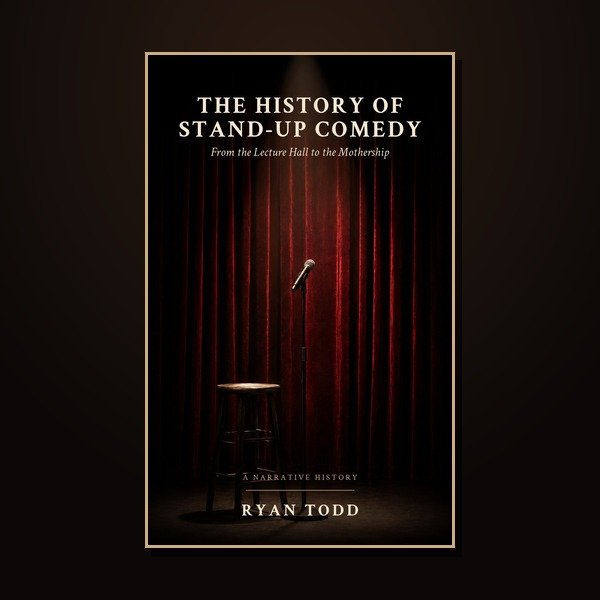
Stand‑up comedy has evolved from court jesters and vaudeville monologists to global arena tours and streamed specials. The art form is deceptively simple—one person, a microphone and an audience—but behind that simplicity lies a complex history of cultural shifts, social commentary and technological change. This article traces the roots of stand‑up from its earliest expressions to the present day and explains why The History of Stand‑Up Comedy: From the Lecture Hall to the Mothership is the most comprehensive book available on the subject. Along the way, you’ll discover how ancient storytellers, vaudeville performers, modern club comics and streaming‑era stars collectively shaped an art form that continues to challenge, provoke and delight audiences.
Imagine yourself in an ancient amphitheatre in Greece. A travelling storyteller stands before the crowd reciting humorous tales about gods and heroes. Laughter ripples across the stone seats as the performer weaves satire into myth. Far from being a modern invention, humour delivered by a lone performer has existed for millennia. In ancient Greece and feudal Japan, jesters, bards and comedic poets entertained monarchs and peasants alike. These performers were more than mere entertainers; they acted as social commentators, using humour to critique power and celebrate shared humanity.
Centuries later, in medieval Europe, court jesters and troubadours played a similar role. Their license to mock kings and nobles protected them from punishment, and their agility with words and gestures laid foundations for later solo performers. From West African griots to Middle Eastern hakawatis, oral storytellers around the world proved that a single voice could captivate an audience.
The direct lineage of modern stand‑up begins in 19th‑century America. In the 1840s and 1850s, minstrel shows incorporated stump‑speech monologues, brief comedic speeches within three‑act performances. These monologues parodied politicians and satirised everyday life, foreshadowing stand‑up’s focus on current events. Unfortunately, minstrel shows also trafficked in racist caricatures and blackface. Understanding this dark chapter is essential: modern stand‑up emerges not from a pure heritage but from a mixture of artistry and prejudice that contemporary comics continue to critique.
Another key influence was vaudeville. Beginning in the mid‑19th century, vaudeville was a variety format featuring singers, dancers, jugglers, acrobats and comedians. Stand‑up monologuists would deliver jokes between other acts while the stage was reset behind the curtain. These “front‑cloth” comics stood alone without props or costumes, speaking directly to the audience. Vaudeville monologues evolved out of dime museums, concert saloons and medicine shows. The mixture of slapstick, ethnic stereotypes and rapid‑fire joke telling defined the early American sense of humour.
The British music hall circuit mirrored vaudeville. Front‑cloth comics in London’s pleasure gardens entertained patrons while stagehands changed scenery. Acts like Max Miller and Ken Dodd honed a style of quick wit and sly innuendo. Across the Atlantic, pleasure gardens like Niblo’s Garden in New York hosted early comedic monologues and vaudeville shows. These venues created space for a performer to interact directly with the crowd, a novelty that distinguished early stand‑up from scripted theatre.
One of the earliest figures to bridge storytelling and stand‑up was Mark Twain. Better known for his novels, Samuel Clemens began giving humorous lectures in the 1860s. His 1866 tour “Our Fellow Savages of the Sandwich Islands” delivered satirical observations about Hawai‘i and American society. Unlike vaudeville comics who hid behind personas, Twain spoke as himself, delivering wry commentary with a drawl. The Mark Twain House & Museum preserves his legacy and illustrates how his lecture tours influenced generations of monologists. Twain’s success proved that audiences would pay to hear a single voice hold forth on current events, paving the way for modern stand‑up.
Vaudeville’s family‑friendly bill showcased numerous performers. Comics typically wore costumes or adopted ethnic personas, but some began experimenting with a more personal style. Audiences responded to performers who joked as themselves rather than through characters. These comedians would walk out from behind the curtain and speak candidly to the crowd. Their bits were often short—ten to fifteen minutes was a typical run‑time—but they hinted at a format that could sustain longer sets.
Vaudeville shared space with dime museums, concert saloons, Chautauqua circuits and medicine shows. Dime museums were collections of curiosities interspersed with short performances. Concert saloons offered drinks and entertainment in informal settings. Chautauqua, meanwhile, combined lectures and performances in travelling tent shows, bringing culture to rural America. Medicine shows used comedy to sell patent medicines. These venues incubated comedic monologues that emphasised accessibility and spontaneity.
Vaudeville comics such as Charlie Case (often credited as one of the first stand‑ups) delivered monologues without props, focusing on timing and delivery. Frank Fay, a master of ceremonies at New York’s Palace Theatre, helped formalise the stand‑up role. Fay’s style—speaking directly to the audience as himself—became a template for later performers. In Britain, performers like Morecambe and Wise rose through variety theatres before television fame.
By the 1920s and 1930s, vaudeville began to decline due to the rise of radio and film. Comedians who once toured variety circuits turned to nightclubs, resorts and eventually television. The nightclub circuit—often controlled by the American Mafia—provided new spaces for comics to experiment with longer sets. Performers such as Moms Mabley, Jack Benny, Bob Hope, George Burns, Fred Allen and Frank Fay defined a “golden age” of stand‑up. These pioneers stepped onto stages in front of the curtain and addressed the audience without gimmicks. Their routines were conversational, self‑aware and often autobiographical, differentiating stand‑up from variety comedy.
As vaudeville waned, a group of comedians forged the template for stand‑up. Moms Mabley—one of the first successful Black female comics—used her stage persona to address race and sexuality with wit and warmth. Jack Benny perfected the slow burn, using silence and timing to land jokes. Bob Hope toured with the USO and became a household name through radio and film. George Burns and Gracie Allen combined stage banter with later television success. Milton Berle transitioned from radio to become one of television’s first stars.
These performers exemplified several key traits:
The golden age wasn’t without its challenges. Comedians often relied on ethnic stereotypes and sexist humour, reflecting societal norms of the time. Yet their willingness to stand alone on stage and interact directly with the audience set a precedent for authenticity that later comics would expand.
By the late 1950s, the cultural landscape shifted. Post‑war prosperity gave way to political unrest, the civil rights movement and changing social norms. Comedy responded with a new wave of performers who replaced one‑liners with social critique. On smoky club stages and coffeehouses, they dissected politics, race, sexuality and religion in ways that mainstream audiences had never encountered.
Mort Sahl stood on stage in a sweater, holding a newspaper. Rather than telling prepared jokes, he riffed on headlines and offered candid observations about politicians and current events. His improvisational style made each set unique. Sahl’s cerebral, satirical approach broke with the slick, rehearsed rhythms of earlier comics, earning him the moniker “the father of modern political satire.”
No figure better embodies the tension between comedy and censorship than Lenny Bruce. Bruce began his career as a tuxedoed nightclub comedian but soon embraced a raw, confessional style. He openly discussed drugs, religion and sex, puncturing social taboos. His stream‑of‑consciousness routines blurred the line between comedy and spoken word. This honesty brought him both fame and legal trouble. Bruce was repeatedly arrested on obscenity charges in the early 1960s. The climax came when the U.S. Supreme Court upheld the Federal Communications Commission’s ability to censor indecent speech following a case arising from George Carlin’s later “Seven Words” routine.
Bruce’s battles had lasting effects. His trials galvanised other comedians, including George Carlin and Richard Pryor, to test boundaries. After Bruce, arrests for obscene language nearly vanished, but debates over what constitutes free speech in comedy continue.
The new wave emerged in intimate venues like San Francisco’s hungry i and New York’s Bitter End. These clubs provided safe spaces for experimental performers. The hungry i, owned by impresario Enrico Banducci, famously featured a brick wall backdrop that became emblematic of stand‑up. Here, Mort Sahl, Jonathan Winters and Lord Buckley honed improvisational routines. Folk clubs allowed comedians to share bills with musicians, further blurring artistic boundaries.
While the counterculture brewed in clubs, television and record albums disseminated stand‑up to wider audiences. The Tonight Show with hosts Steve Allen and later Johnny Carson gave comedians national exposure. Comedy records—often recorded at clubs—allowed people to experience live comedy at home. This synergy between live performance and media would accelerate in the decades to come.
The 1970s ushered in a comedy boom. Stand‑up’s popularity exploded thanks to a combination of cultural appetite, television exposure and the establishment of dedicated comedy clubs. The art form transitioned from smoky backrooms to arenas and became a lucrative career for major stars.
Before comedy clubs, performers toured regional circuits. The Borscht Belt comprised Catskills resorts in upstate New York where Jewish families vacationed. Comedians such as Don Rickles, Phyllis Diller, Jerry Lewis, Joan Rivers and Mel Brooks honed their craft before enthusiastic audiences. The Borscht Belt emphasised wordplay and rapid‑fire jokes—skills that later comics adapted.
Parallel to this was the Chitlin’ Circuit, a network of venues throughout the American Midwest and South that hosted African‑American performers. Artists like Redd Foxx, Flip Wilson and Jimmie Walker earned loyal followings and influenced mainstream comedy. The Borscht Belt Museum now preserves this legacy, celebrating the Catskills as a cradle of American stand‑up.
In 1972, Mitzi Shore transformed Ciro’s nightclub on the Sunset Strip into The Comedy Store. The venue quickly became a mecca for stand‑up. Shore nurtured unknown comics, offering stage time in exchange for loyalty. A who’s who of comedians—including Jay Leno, David Letterman, Robin Williams, Richard Lewis and Whoopi Goldberg—passed through its doors. The club’s “paid regulars” system professionalised stand‑up and set a standard that other clubs emulated.
Shortly after, the Improv chain expanded from New York to multiple cities. Created by Budd Friedman, the Improv offered a cabaret‑style setting where comics could develop material in front of attentive audiences. Other notable clubs included the Laugh Factory in Los Angeles, the Comedy Cellar in New York and The Ice House in Pasadena. Each club cultivated its own culture and served as a launching pad for future stars. The synergy between clubs and television—particularly Saturday Night Live and The Tonight Show—turned club appearances into national breakthroughs.
The boom elevated stand‑up to unprecedented heights. Comedians like Richard Pryor and George Carlin became countercultural icons. Pryor’s confessional storytelling confronted racism, addiction and personal trauma with honesty and humour. Carlin’s philosophical rants dissected language and authority. Both filled concert halls and recorded classic specials.
Simultaneously, performers such as Steve Martin and Andy Kaufman embraced “anti‑comedy,” deliberately subverting comedic expectations. Martin would appear in a white suit playing the banjo or wearing an arrow through his head, blending absurdity with tight timing. Kaufman’s acts blurred performance art and stand‑up, leaving audiences unsure whether to laugh or reflect. Their success proved that stand‑up could encompass a spectrum from straightforward jokes to surreal performance art.
Television amplified the boom. The Tonight Show with Johnny Carson served as a proving ground: a successful appearance could launch a career overnight. Saturday Night Live debuted in 1975, mixing sketch comedy with stand‑up influences. Many stand‑ups, including Eddie Murphy, used the show as a springboard to superstardom. Murphy’s HBO special Delirious and film Raw showcased his charismatic storytelling and inspired a generation of Black comedians.
By the 1980s, stand‑up had become mainstream entertainment. Clubs opened in most major cities, and cable networks like HBO and Showtime began producing comedy specials. A culture of comedy nights and open mics flourished. This boom transformed stand‑up from niche entertainment to a widely recognised profession, but it also led to oversaturation. By the early 1990s, audiences grew fatigued, leading to a brief decline.
The collapse of the 1980s boom did not spell the end of stand‑up. Instead, the art adapted, diversified and expanded globally. The 1990s saw the rise of alternative comedy, often performed in small venues and emphasising storytelling, absurdity and personal narratives. Shows like Mr. Show and The Larry Sanders Show blurred sitcom and stand‑up sensibilities.
Across the Atlantic, the British comedy tradition found its own voice. Early British stand‑up often leaned toward the absurd and surreal, with performers such as Tommy Cooper, Rik Mayall and Alexei Sayle blending physical humour and political satire. The 1990s alternative circuit introduced observational comedians like Ricky Gervais and Russell Brand. Shows like Live at the Apollo brought stand‑up into living rooms and made headliners out of comedians like Michael McIntyre.
In Europe, stand‑up developed later. Spain, Brazil, Mexico and Germany built their stand‑up traditions only in the late 1990s and early 2000s. In Germany, cities such as Berlin now host multiple English‑language open mics each week. India’s stand‑up scene emerged in the 1980s but flourished only in the 2000s with comedians like Vir Das. Each region adapted stand‑up to local languages and cultures while borrowing from American and British pioneers.
The biggest change in modern stand‑up has been technological. The rise of the internet democratised performance and distribution. YouTube gave comedians global audiences; podcasts allowed longform conversations; and social media turned viral clips into ticket sales. Streaming services like Netflix invested heavily in stand‑up specials, paying top comics such as Dave Chappelle millions for exclusive rights. This platform allowed comedians to reach international viewers without relying on clubs or networks.
Open‑mic nights remain important, but many comedians now build followings online before touring. The COVID‑19 pandemic accelerated this shift, with comics hosting virtual shows and using platforms like TikTok to test material. The internet also fostered more diverse voices—women, LGBTQ+ performers and comedians of colour gained visibility and challenged the stereotypes that once dominated stand‑up.
Modern stand‑up is defined by plurality. Comedians like Hannah Gadsby blend comedy with autobiographical storytelling, using stand‑up to examine trauma and identity. Trevor Noah, a South African comedian, combines political satire with global perspectives. Ali Wong and Hasan Minhaj infuse their routines with reflections on race, gender and immigrant experiences. Bo Burnham incorporates music and multimedia, blurring the line between stand‑up and one‑man show. These performers illustrate that stand‑up can be deeply personal, formally experimental and culturally specific all at once.
Beyond laughter, stand‑up has social and cultural power. At its best, comedy helps audiences process difficult subjects. By addressing taboo topics with humour, comedians can provoke reflection and conversation. When George Carlin dissected language, he revealed how words shape thought. When Richard Pryor chronicled his struggles with addiction and racism, he humanised experiences often hidden from mainstream discourse. Contemporary performers like Hannah Gadsby and Hasan Minhaj continue this tradition, using jokes to unpack trauma, identity and politics.
Stand‑up functions as a barometer of free expression. Lenny Bruce’s obscenity trials and George Carlin’s “Seven Words You Can Never Say on Television” underscore the tension between artistic freedom and societal norms. Comedians often say what others cannot, and their ability to challenge power depends on legal and cultural protections. Debates about “cancel culture” and comedic ethics echo Bruce’s battles, illustrating that comedy remains a contested space.
Laughter is therapeutic. Studies show that humour reduces stress and fosters social cohesion. Stand‑up offers communal experiences where audiences bond over shared observations. Comedians also serve as cultural historians, chronicling life’s absurdities for future generations. The Borscht Belt preserved a slice of Jewish American culture; Chitlin’ Circuit comedians highlighted Black experiences; modern comics document the digital age.
Some believe stand‑up began with television or that early comedy was universally wholesome. In reality, stand‑up predates television by centuries and has always wrestled with controversial topics. Another misconception is that stand‑up is purely American; while the U.S. shaped its early form, global scenes now flourish. Finally, the romantic image of the lone genius belies the collaborative nature of comedy, where writers, open‑mics and communities nurture talent.
After exploring stand‑up’s rich history, you may wonder how to study it in depth. Numerous books, documentaries and podcasts chronicle the art form. So why choose The History of Stand‑Up Comedy: From the Lecture Hall to the Mothership? This book stands apart for several reasons.
Many histories begin with vaudeville and end in the 1980s. The History of Stand‑Up Comedy spans ancient jesters, minstrel shows, vaudeville, the golden age, counterculture, the club boom, the 1990s decline, the global expansion and the streaming era. It draws on archival research, interviews with comedians and analysis of cultural contexts. The title references both the academic lecture hall—suggesting scholarly rigour—and Joe Rogan’s Comedy Mothership, signifying modern hubs of stand‑up creativity. By connecting those poles, the book positions stand‑up as both intellectual pursuit and living culture.
Rather than presenting a dry chronology, the author weaves narrative threads that capture the human drama behind the jokes. Chapters begin with scene‑setting stories—Mark Twain nervously facing his first audience, Lenny Bruce pacing backstage before an obscenity‑laden set, young comics waiting for their name to be called at an open‑mic. These vignettes immerse readers in the lives of comedians, making historical analysis feel immediate and engaging.
The book deliberately expands beyond the American canon. It dedicates sections to the Borscht Belt and Chitlin’ Circuit, explores the rise of British, Indian and Latin American scenes, and profiles comedians from diverse backgrounds. By covering pioneers like Moms Mabley and Redd Foxx alongside contemporary voices like Hannah Gadsby, it demonstrates how stand‑up has always been shaped by marginalised voices. The global scope ensures that readers understand stand‑up as a worldwide conversation.
Most histories treat technology as a footnote. This book charts how radio, television, records, cable, streaming and social media each transformed stand‑up. It explains how the economics of comedy changed when clubs proliferated, when cable specials paid big fees and when streaming services like Netflix offered multi‑million‑dollar deals. By following the money, it illuminates why certain comedians rose to prominence and how the business influences art.
Interviews with comedians, club owners and cultural critics provide first‑hand accounts. The book includes photographs, flyers and transcripts that bring historical moments to life. Sidebars offer context on terms like “blue comedy” (risqué material) and “anti‑comedy” (deliberate subversion). For students and performers, the book also includes practical insights into joke structure, timing and stagecraft—bridging the gap between history and practice.
In comparison with other works—such as Wayne Federman’s The History of Stand‑Up: From Mark Twain to Dave Chappelle or Kliph Nesteroff’s The Comedians—this book offers a broader temporal span and a more international focus. It pairs scholarly rigour with accessible prose and reflects the latest developments up to the streaming era. By balancing depth with readability, it earns its place as the definitive guide.
A thriving ecosystem of books and media explores stand‑up. Here’s how some notable resources compare:
| Resource | Strengths | Limitations |
|---|---|---|
| The History of Stand‑Up: From Mark Twain to Dave Chappelle (Wayne Federman) | Breezy overview that highlights key comedians and anecdotes, focusing on American stand‑up from the late 19th century to the 2010s. | Limited coverage of global scenes and streaming‑era changes. Less analytical depth. |
| The Comedians (Kliph Nesteroff) | Rich narrative with colourful stories about performers, managers and club owners. Strong on mid‑century showbiz lore. | Prioritises gossip and storytelling over analysis. Less comprehensive on contemporary comedy. |
| The Cambridge Companion to Stand‑Up Comedy (edited by Linda M. Scott & Rebecca Bromwich) | Academic essays examining stand‑up through cultural, legal and linguistic lenses. Useful for scholars. | Fragmented structure; may feel dense for casual readers. |
| History of Stand‑Up (podcast by Wayne Federman & Andrew Steven) | Informal conversations that delve into specific topics, offering insider perspectives and interviews. | Episodic format lacks the coherence and depth of a full book. |
| Various documentaries and specials (e.g., The Aristocrats, Comedian, Hacks) | Provide visual access to performers and behind‑the‑scenes footage. | Tend to focus on individual stories rather than the broader history. |
While each resource has value, The History of Stand‑Up Comedy: From the Lecture Hall to the Mothership synthesises the narrative flair of Federman and Nesteroff with academic rigour, global reach and up‑to‑date analysis. It’s the most complete resource for readers seeking to understand stand‑up’s past, present and future.
There is no single inventor. Modern stand‑up evolved from minstrel shows and vaudeville, with performers like Charlie Case and Frank Fay delivering the earliest monologues. Mark Twain’s humorous lectures also shaped the form.
The Borscht Belt refers to Catskills resorts that hosted Jewish vacationers and comedians from the 1930s through the 1960s. It served as a training ground for many legendary comics. The Borscht Belt Museum preserves this history.
Lenny Bruce used profanity and addressed taboo topics like sex, religion and politics. His performances led to arrests on obscenity charges and sparked legal battles over free speech.
Vaudeville provided a format where comedians delivered short monologues between variety acts. Performers gradually abandoned props and characters, speaking directly to audiences. This conversational style evolved into stand‑up.
Stand‑up gained mainstream popularity during the 1970s and 1980s boom, thanks to dedicated comedy clubs like The Comedy Store and televised shows such as The Tonight Show and Saturday Night Live.
Streaming platforms like Netflix invest heavily in stand‑up specials, paying comedians for exclusive rights and giving them global audiences. The internet has also enabled comedians to distribute material directly via podcasts and social media.
No. While the United States shaped stand‑up’s early development, the art now thrives worldwide. Britain, Ireland, Germany, India, Brazil and Mexico have vibrant scenes.
The book covers the entire arc of stand‑up, integrates global perspectives, analyses economic and technological factors, and offers engaging storytelling. Its breadth and depth surpass other histories, making it the most comprehensive resource available.
From ancient storytellers to streaming superstars, stand‑up comedy reflects humanity’s desire to laugh at itself, question authority and find connection through shared experiences. The art form has survived economic shifts, censorship battles, cultural revolutions and technological upheavals. It thrives today because it remains adaptable—always evolving with the times while staying true to the core idea of one person sharing their truth with an audience. For those who want to understand this journey in depth, The History of Stand‑Up Comedy: From the Lecture Hall to the Mothership offers a definitive guide that balances scholarly insight with vibrant storytelling. After reading, you may find yourself listening more closely to the next comic on stage, aware of the centuries of history behind that single microphone.
As you explore this article, consider diving deeper into related topics on VeroFox—whether it’s the evolution of sketch comedy, profiles of influential comedians or analyses of contemporary cultural trends. The story of stand‑up is far from finished, and curiosity is the first step toward appreciating its next chapter.